Bill S880/A2707
Protect Affordable
Homeownership for
100,000 New Yorkers.
The DAMP tax benefit that keeps HDFC co-ops affordable expires in 2029. Without a clean legislative renewal, low- and moderate-income homeowners across the city face displacement.
WHO WE ARE
100,000+ homeowners in 1,100+ HDFC co-ops – predominantly communities of color who rebuilt abandoned buildings with sweat equity.
WHAT’S AT STAKE
Without DAMP renewal, maintenance costs become unaffordable, forcing displacement from the homes we saved and rebuilt.
THE FIX
Pass S880/A2707 – a straightforward tax benefit extension with no regulatory strings that threaten homeowner rights.
What is the Jackson-Taylor Housing Development Fund Company Fairness, Preservation And Affordability Act, S880/A2707?
This bill secures a stable, affordable future for HDFCs with a clearly defined, meaningful tax break that will help keep HDFCs affordable. The bill gives HDFCs a permanent tax break in exchange for restricting sales to buyers with lower incomes, and makes sure that the City can’t force us to sign a suffocating Regulatory Agreement just to get the tax break to which we are legally entitled. S880/A2707 helps make sure that HDFC co-ops remain affordable for the people who live in them for generations to come and for prospective buyers, and it prevents predatory non-profits from enriching themselves at our expense.
Shareholder Stories


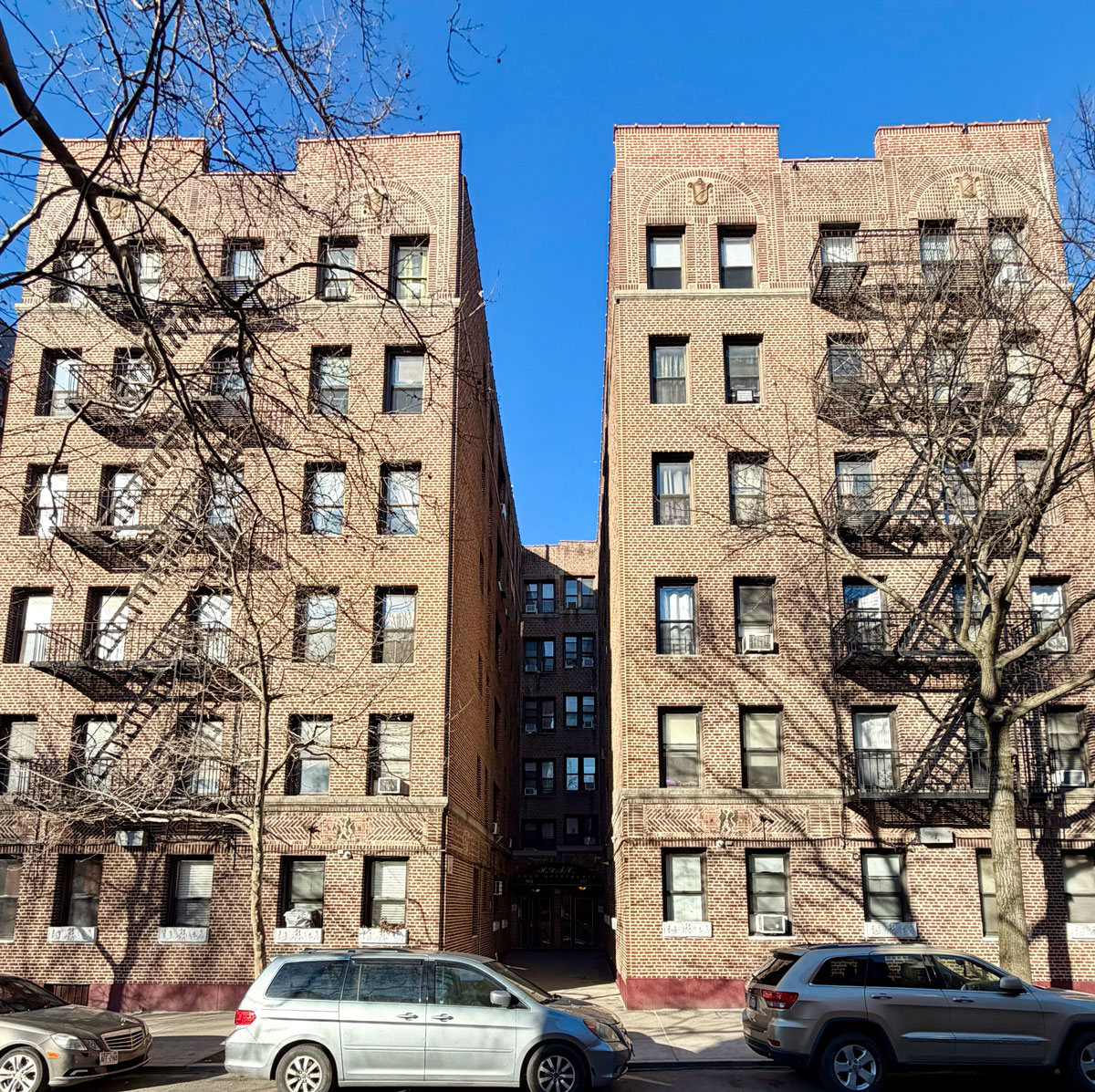
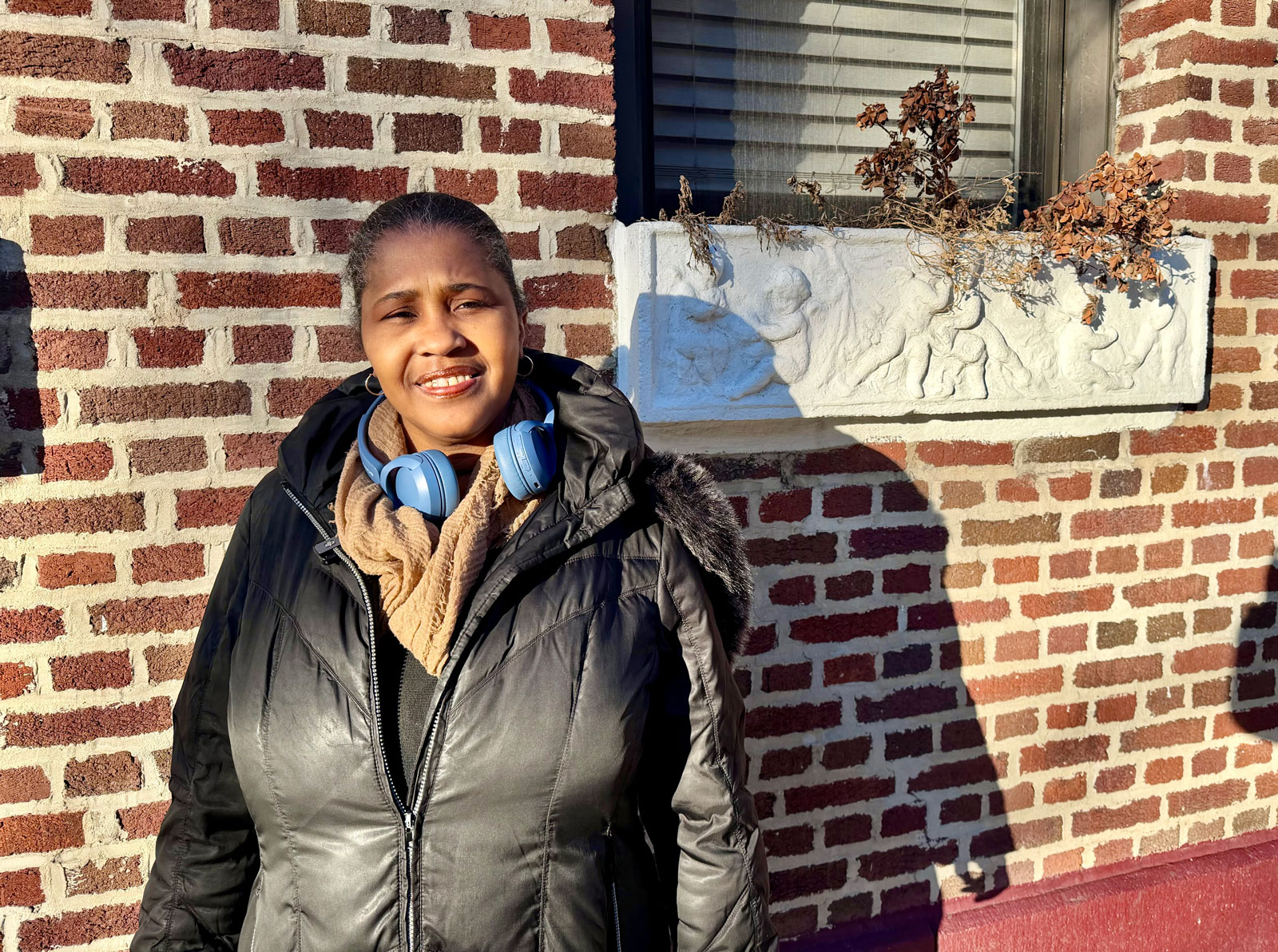

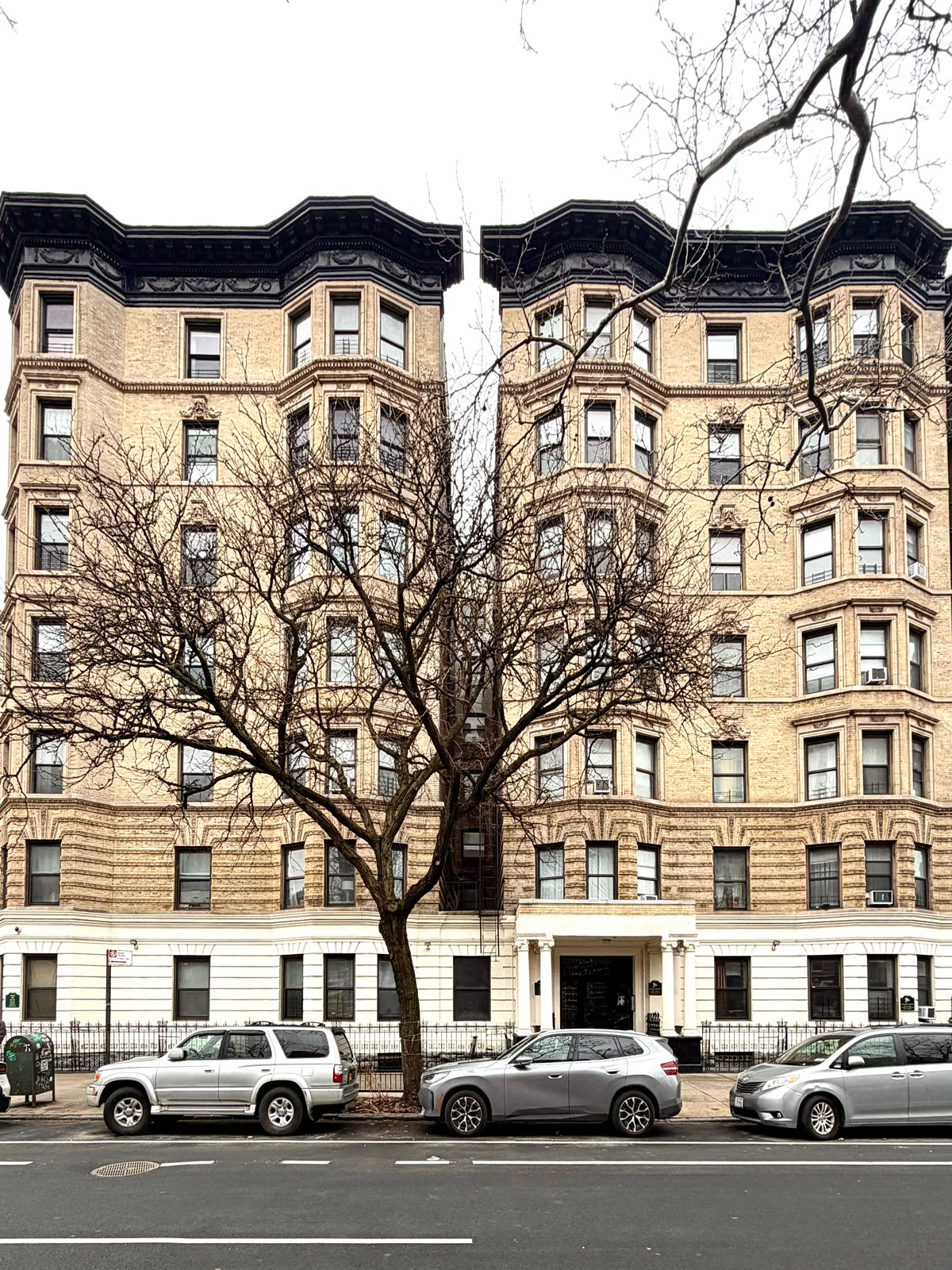

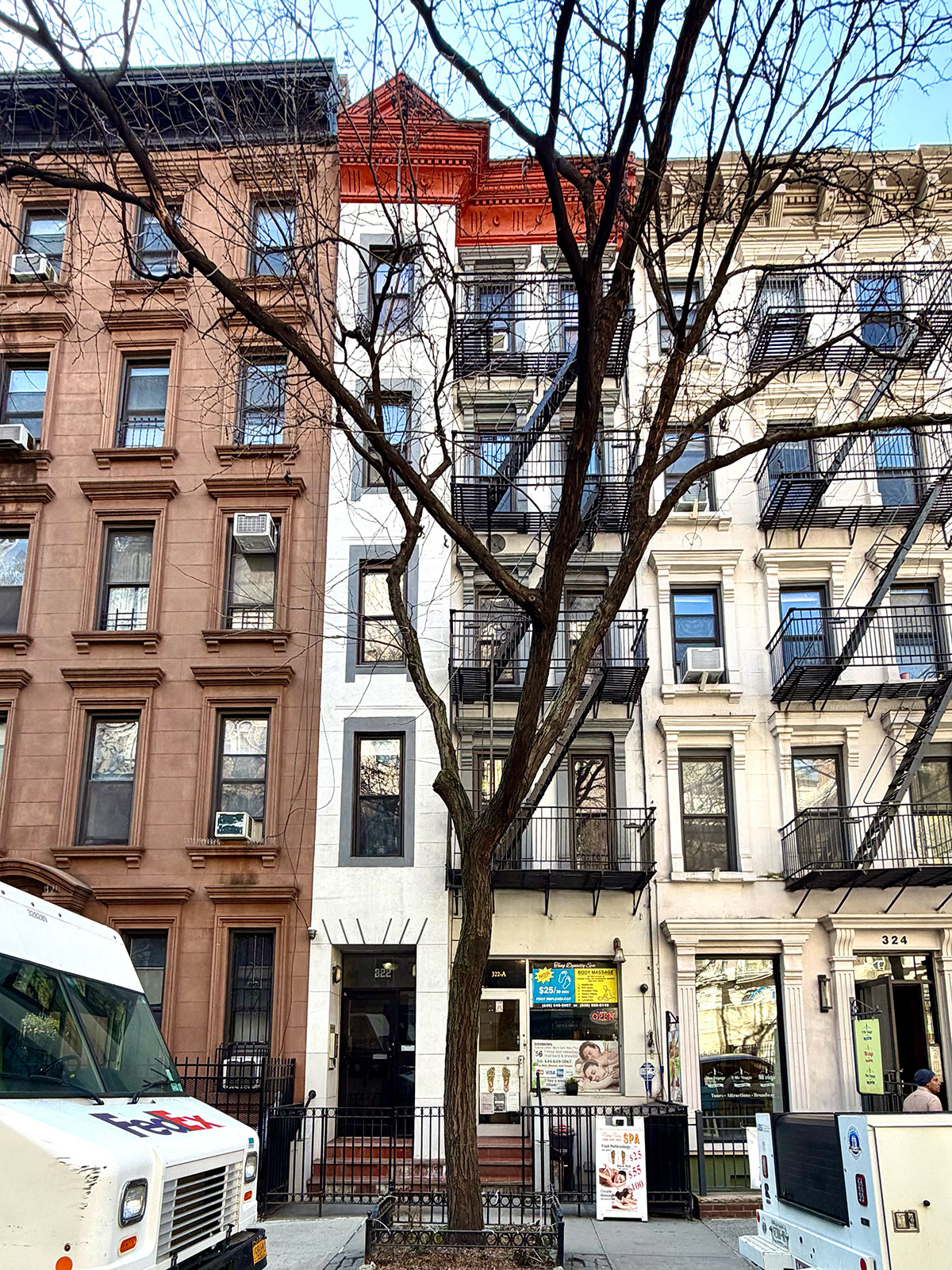

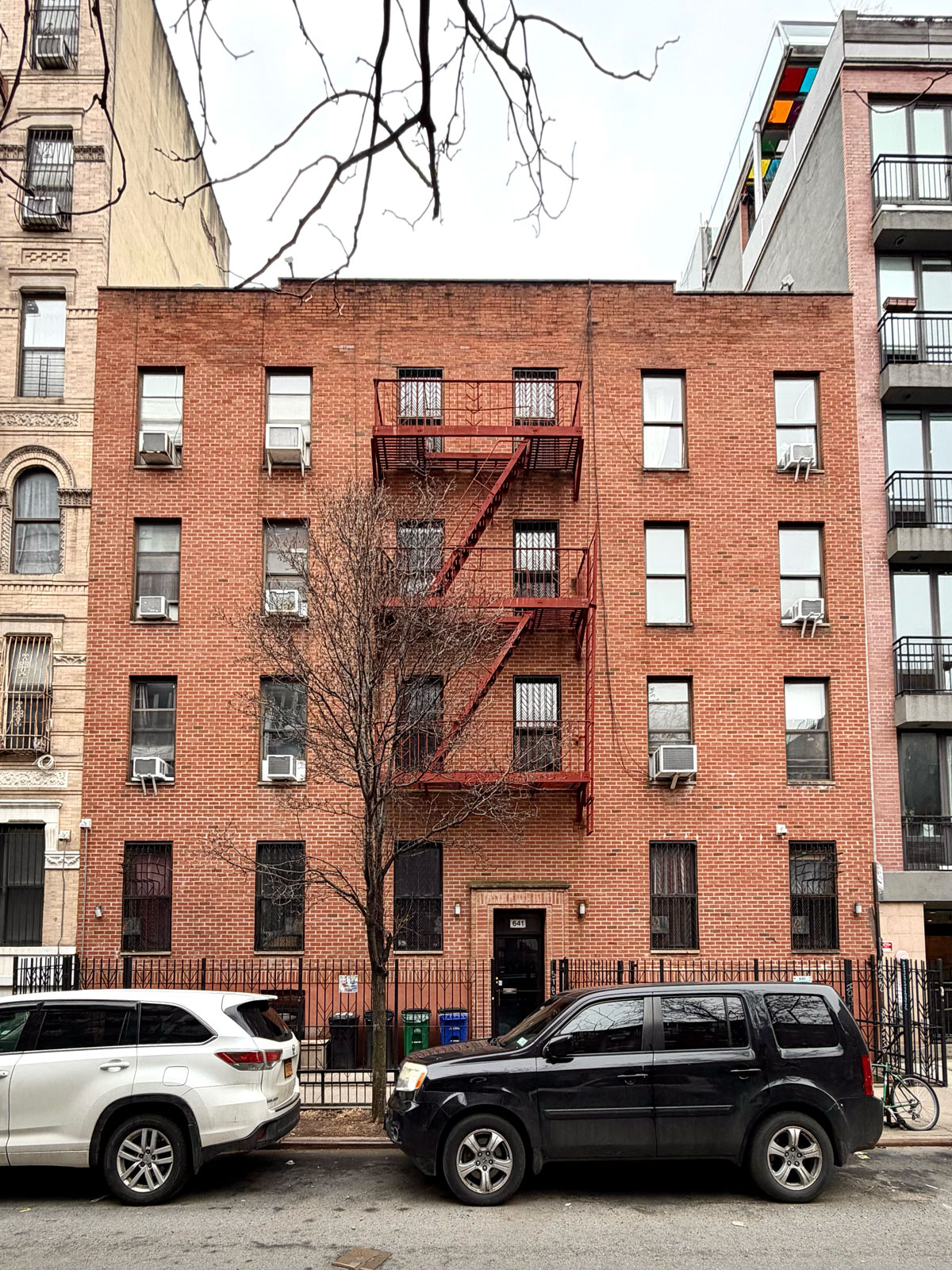
HDFCs Are Under Threat. Here’s Why That Matters:
- Affordability: Without this bill, HDFC property taxes will spike when the DAMP tax benefit expires. Many buildings would struggle to finance essential repairs—roofs, boilers, windows, façades, elevators—and homeowners could face unaffordable maintenance increases. The bill provides long-term clarity and financial stability.
- Preservation: The Jackson–Taylor bill secures the long-term viability of HDFCs by establishing a permanent tax exemption. This preserves access to financing, stabilizes maintenance costs, and helps ensure buildings remain affordable and financially sustainable. Without it, many first-time homeowners—including seniors and minority families—risk losing their homes through tax-driven financial distress.
- Fundamental Fairness: HDFC homeowners bought apartments in abandoned, tax-foreclosed buildings that the City could not sell in the 1970s and 80s. They invested their own savings and labor to rebuild and stabilize these properties without ongoing subsidies. The Jackson–Taylor bill honors the City’s original commitments and protects the homeowners who preserved this housing.
- Self-Determination: The bill ensures that HDFC shareholders control their own buildings. It prevents mandatory outside monitors, forced regulatory agreements, and unnecessary oversight by government agencies or nonprofits. It restores stability while respecting the autonomy of HDFC communities.
Updates
HDFCs are not luxury condos.
They are lifelines for working-class New Yorkers.
How Can You Help
Share
Your HDFC Story
Contact Your
Representative
Join
the HDFC Coalition
Donate
Now!
Help Us Win This Fight
Your donation supports legal advocacy, resident organizing, media campaigns, and grassroots outreach to protect HDFCs for the next generation.
Suggested Levels: $10 • $25 • $50 • Custom
Note: All funds are used to support public education, advocacy, and organizing around HDFC preservation in New York City. The HDFC Coalition is a volunteer organization. No funds are used to pay members.
Sign up for our email list
Enter your email below to receive important updates on our fight to save our homes and how you can help us pass the Jackson-Taylor Housing Development Fund Company Fairness, Preservation And Affordability Act, S880/A2707.
*Our legacy site hdfccoalition.org is in the process of being decommissioned. Please use this site to join, donate, etc.