
A Short History of HDFCs
In 1966, the legislature enacted Article 11 of the Private Housing Finance Law. Article 11 authorized the development of rental and cooperative housing that is subject to certain income restrictions. The type of income-restricted housing is referred to as Housing Development Fund Companies (HDFCs).
Beginning in the early 1980s, New York City created HDFC housing cooperatives as a means to divest itself of —and revitalize—its tax-foreclosed multifamily housing stock. At the time, the city was experiencing large-scale abandonment of its private low and middle-income multi-family housing stock. In response to this housing crisis, the city determined to turn over the ownership and management of many city-owned tax-foreclosed multifamily buildings to the existing tenants in the form of HDFC co-ops.
Previously, the city sold at auction nearly all of its tax-foreclosed multi-family property to private investors, and that traditional approach to disposing of tax foreclosed property had led to an accelerating cycle of housing disinvestment and abandonment. The city’s HDFC initiative was in the city’s own interests: it enabled the city to avoid the counterproductive private auction process and to return the buildings to the tax rolls.
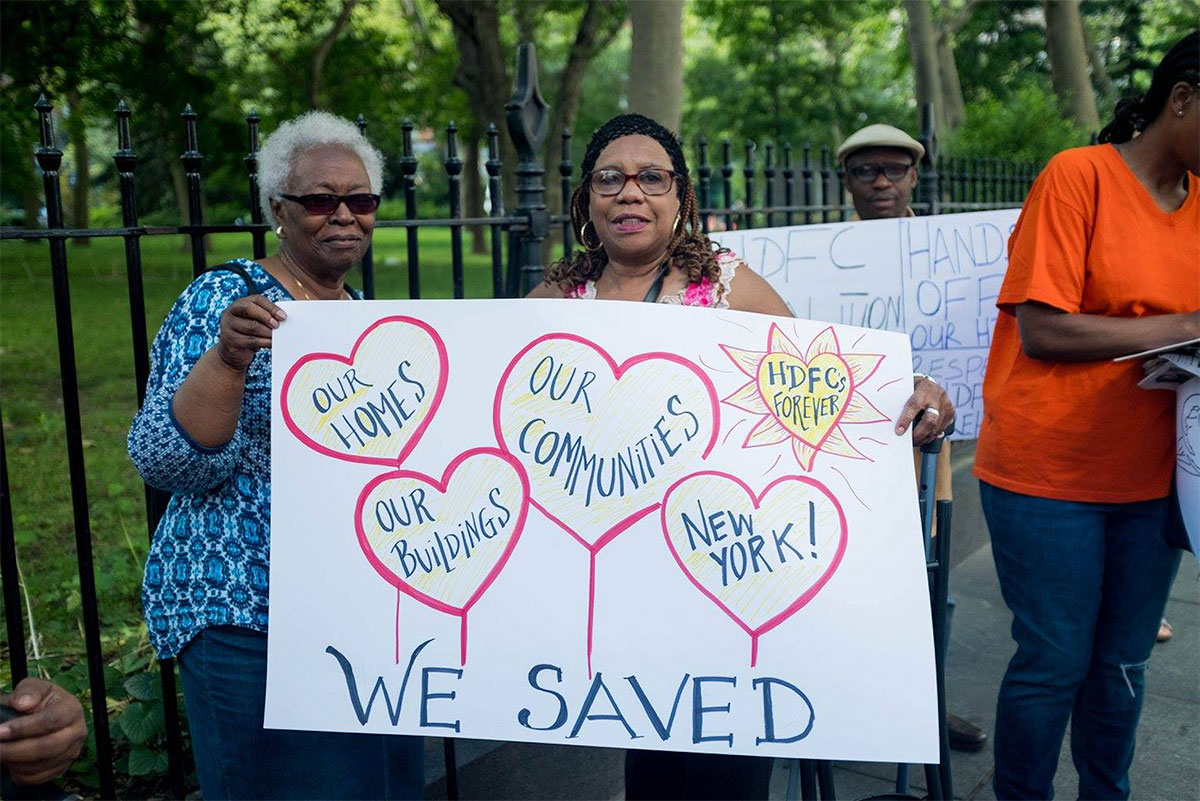
It also heaped a ton of financial responsibility on the newly-birthed cooperative shareholders who now owned these properties. The landlords hadn’t left because the buildings were doing well. The landlords had left because the buildings needed extensive and expensive repairs: Many had no functioning boiler. Windows were broken or leaking. Roofs needed replacement. Elevators had stopped functioning. Plumbing and heating pipes were aging and cracked. But the new owners of these buildings, the residents who had been the low-income renters of these same apartments, pooled their resources and saved the buildings from blight, collectively investing hundreds of millions of dollars in more than 1,100 buildings.
Over the past four decades, HDFC co-ops governed themselves under the same rules that bind all other corporations in New York State, with no more government assistance than a partial reduction in their real estate taxes (and in some cases, access to low-interest construction loans) invested millions of shareholders’ own dollars in rehabilitating their buildings and their apartments, replacing those defunct boilers, broken windows, leaky roofs, non-functioning bathrooms, and stalled elevators, all the while keeping their buildings +solvent and providing affordable housing to working New Yorkers of all ethnic backgrounds.
New owners of these buildings, the residents who had been the low-income renters of these same apartments, pooled their resources and saved the buildings from blight, collectively investing hundreds of millions of dollars in more than 1,100 buildings.
The city’s HDFC initiative proved to be one of New York’s most enduring housing success stories. Tens of thousands of resident-shareholders of HDFCs played an important role in the stabilization and preservation of New York City’s multi-family housing stock in the period following the city’s fiscal crisis of the 1970s and 1980s. The city’s large-scale creation of HDFC co-ops was a major policy innovation and was an important part of the city’s response to the housing crisis of that era.
Today, there are over 1,100 HDFC co-ops in New York City. All government and community stakeholders benefited from the large-scale creation of HDFCs. The city benefited by reducing its enormous portfolio of tax-foreclosed apartment buildings at a time when the buildings were a substantial burden to the city and when there was little in the way of a private market for these properties. The residents benefited from the preservation and upgrading of their own buildings and from becoming homeowners for the first time. And the surrounding communities benefited from the stabilization of the neighborhood, the upgrading of housing, and the transformation of a rental community into a homeowning community.
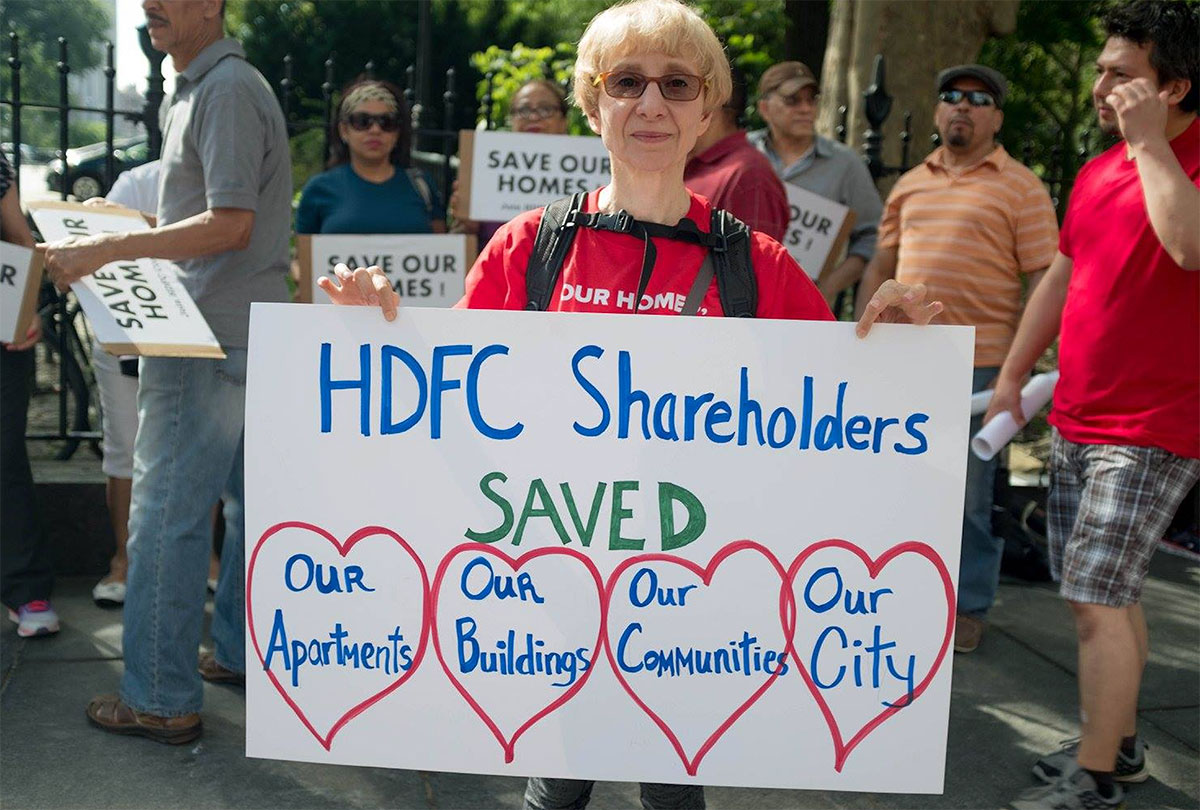
When the city imposed regulatory controls on the city-sponsored HDFCs, the regulatory controls placed on HDFCs were time-limited. Consequently, the HDFCs that were created in the 1980s and 1990s have regulatory controls that have already expired or will soon expire. For this class of HDFCs, there is a great deal of uncertainty as to their financial future.